Our
Terroir
Our terroir
Mâconnais vineyards
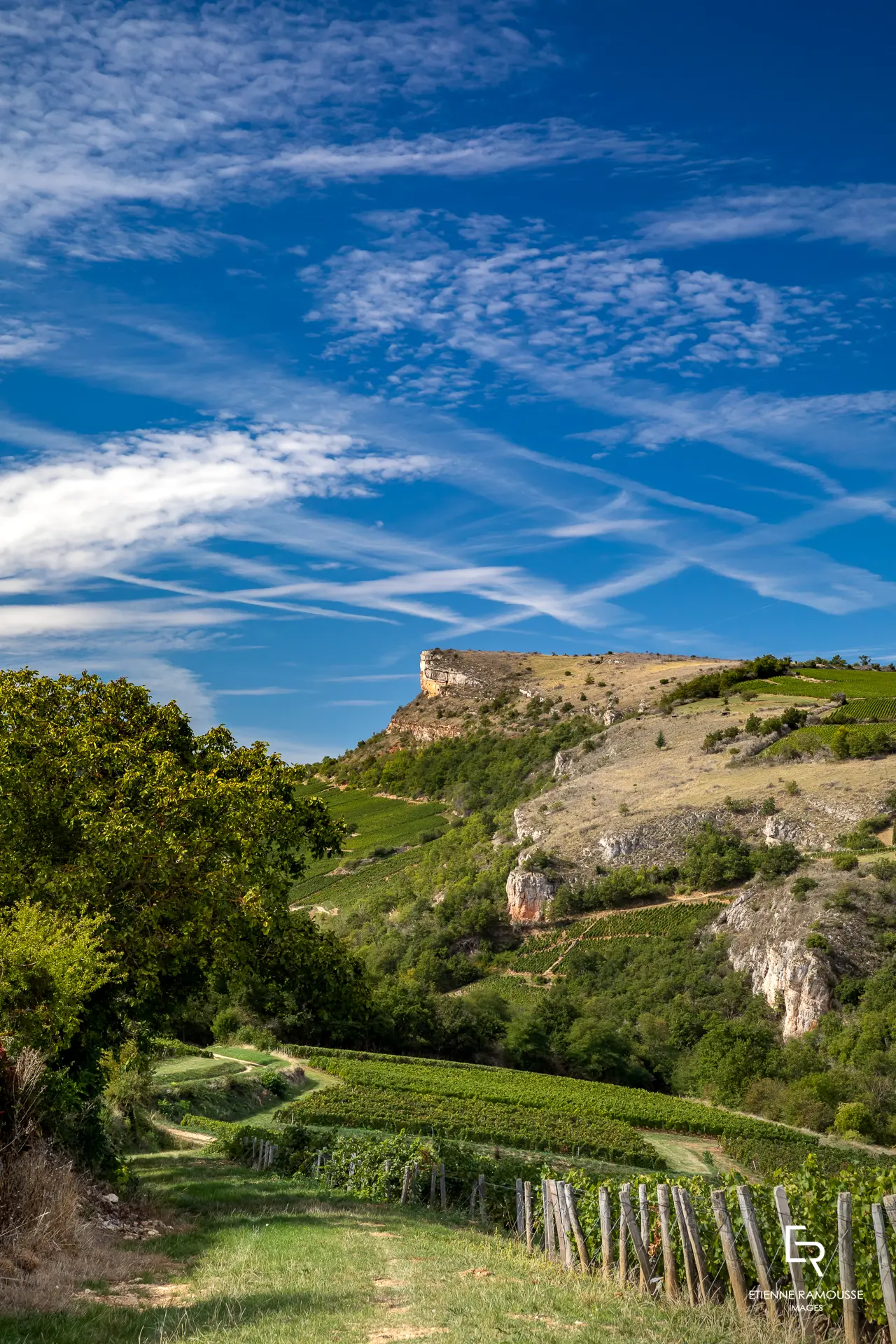
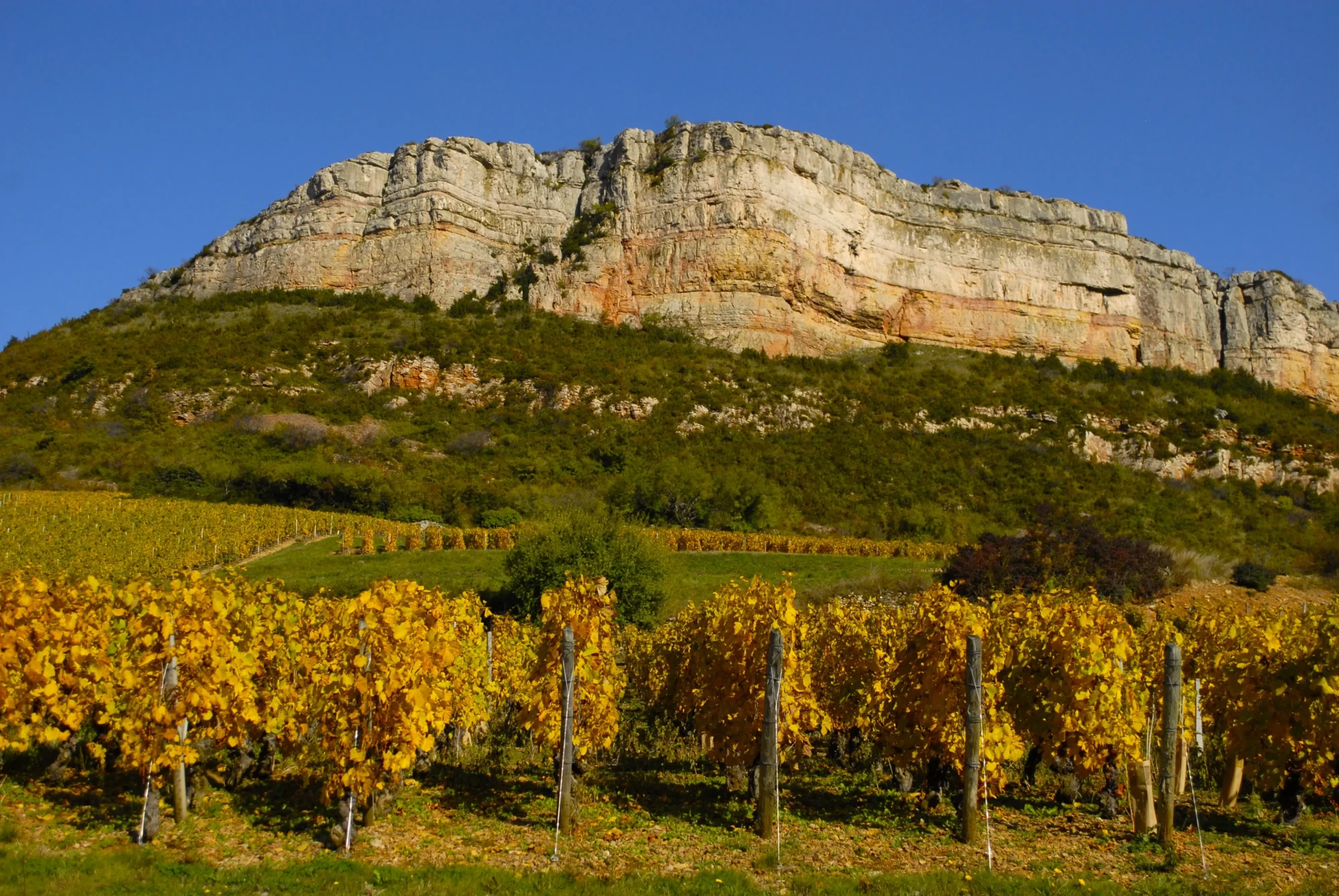
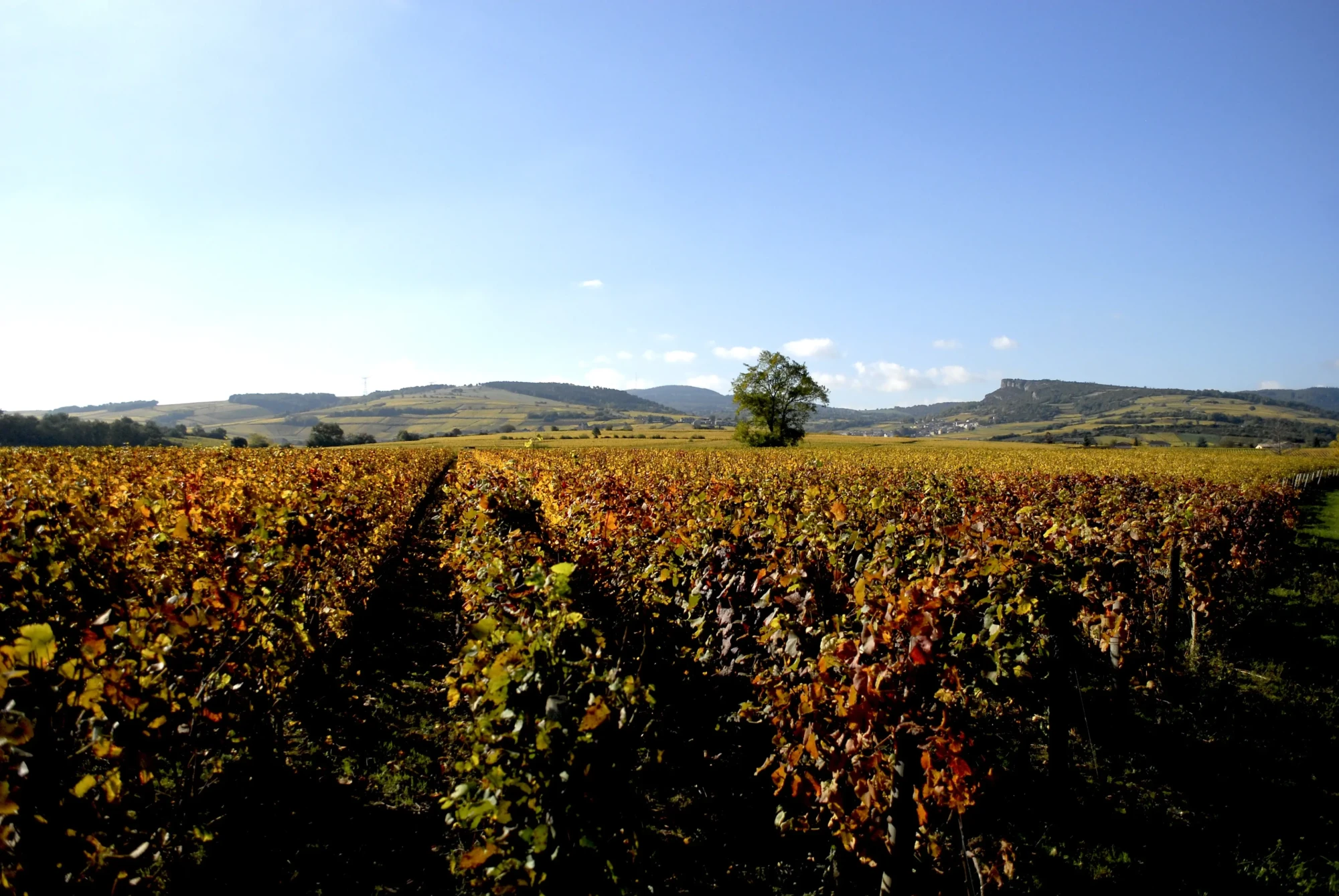
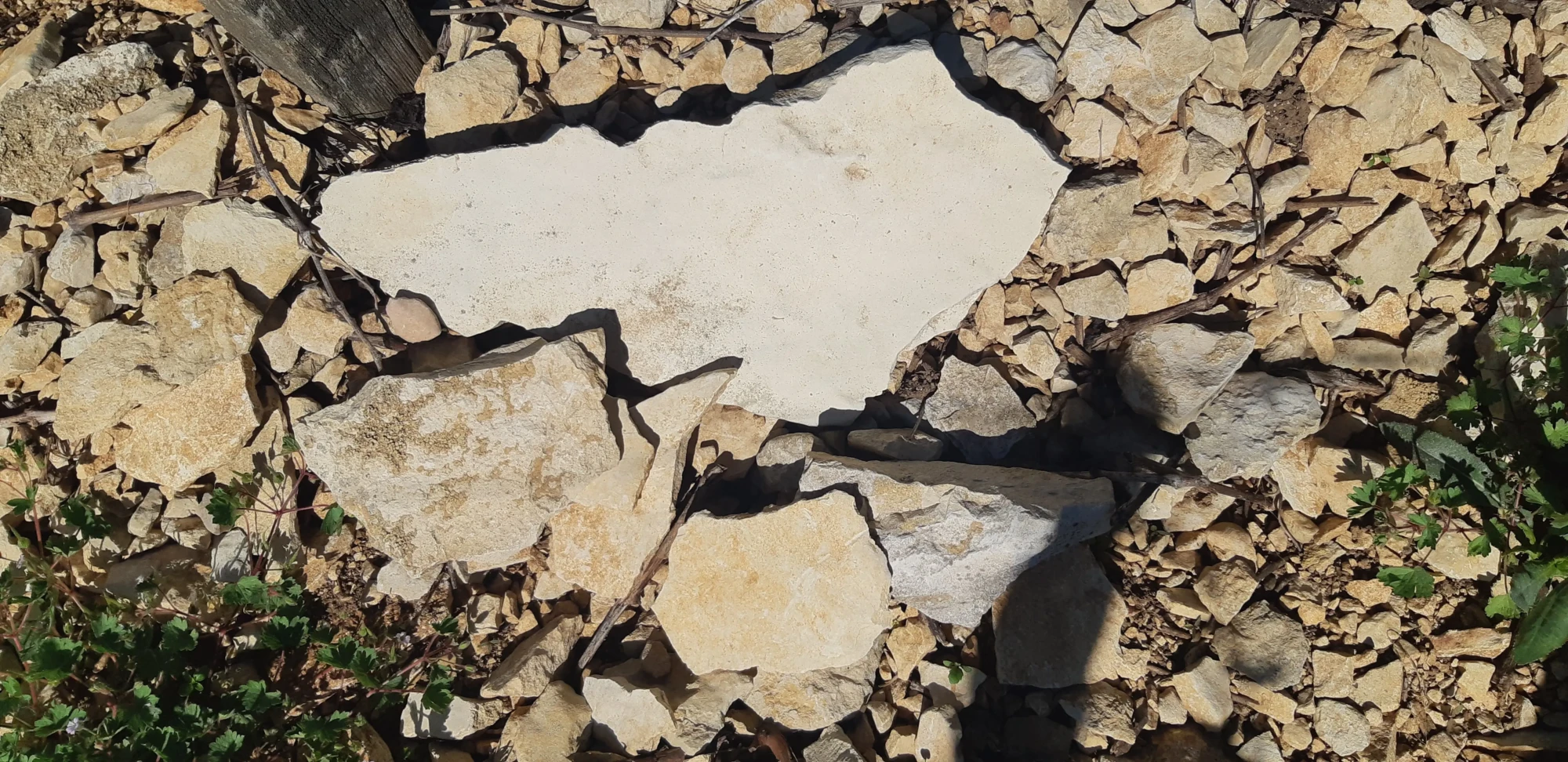
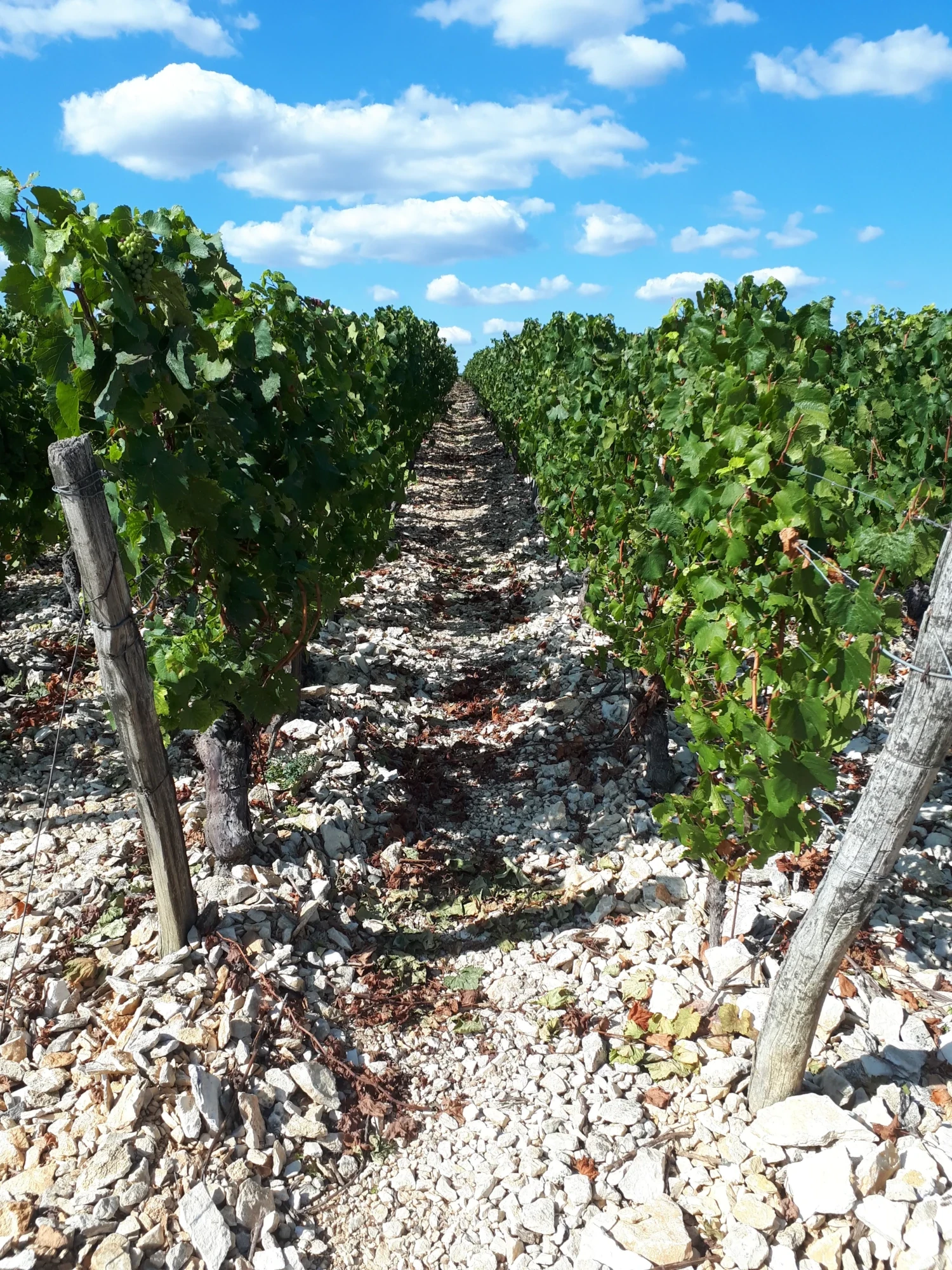
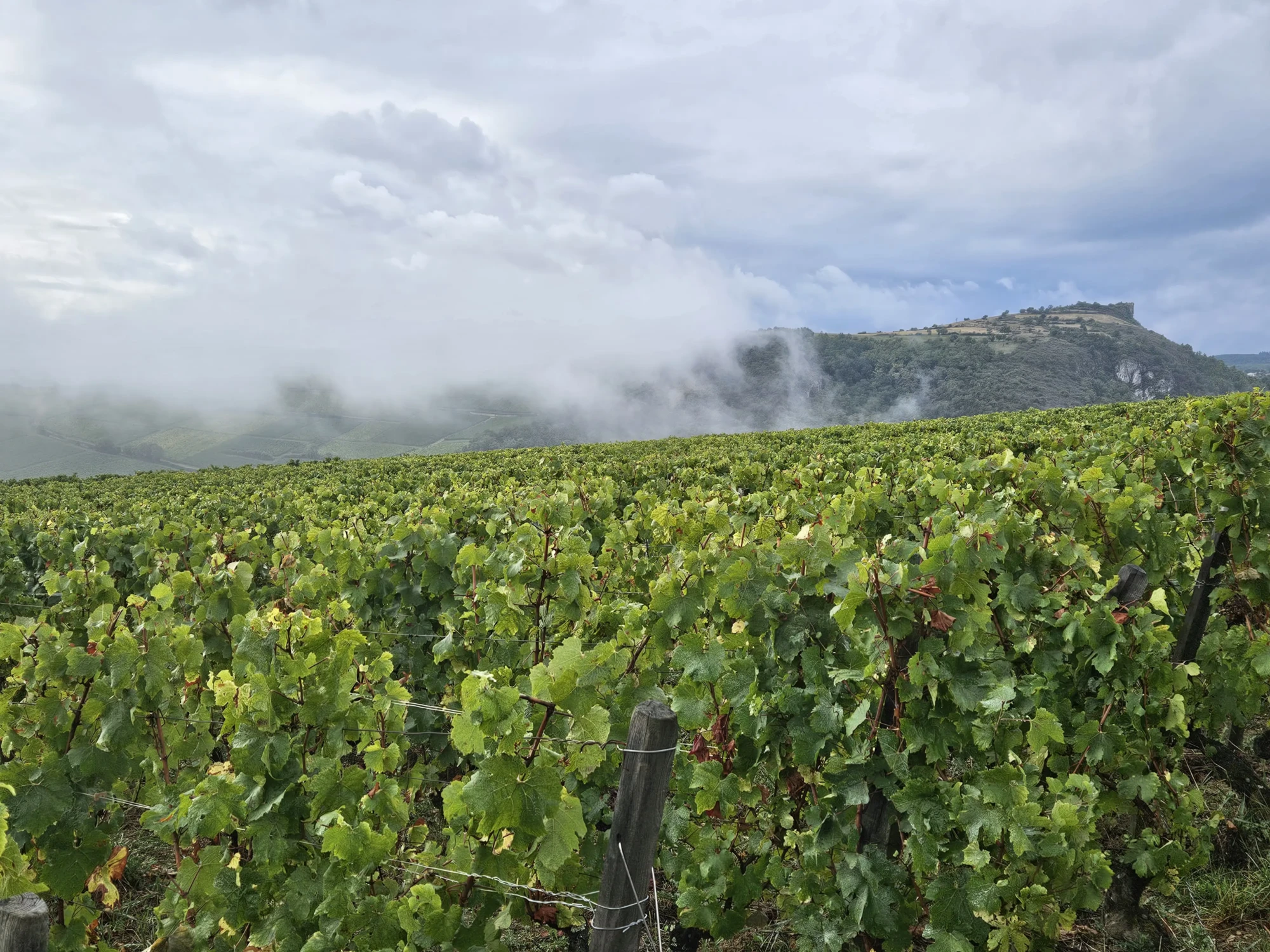
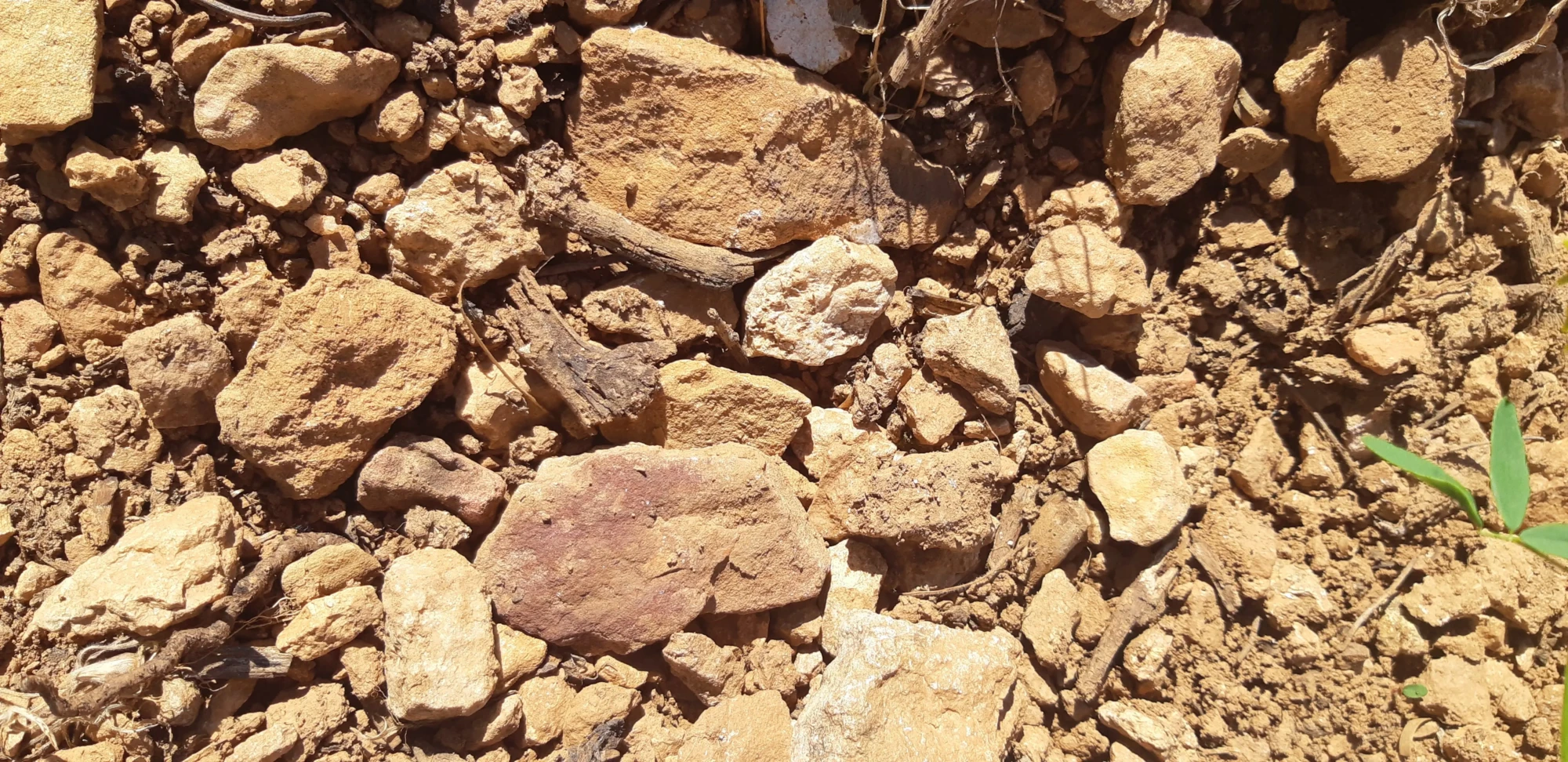
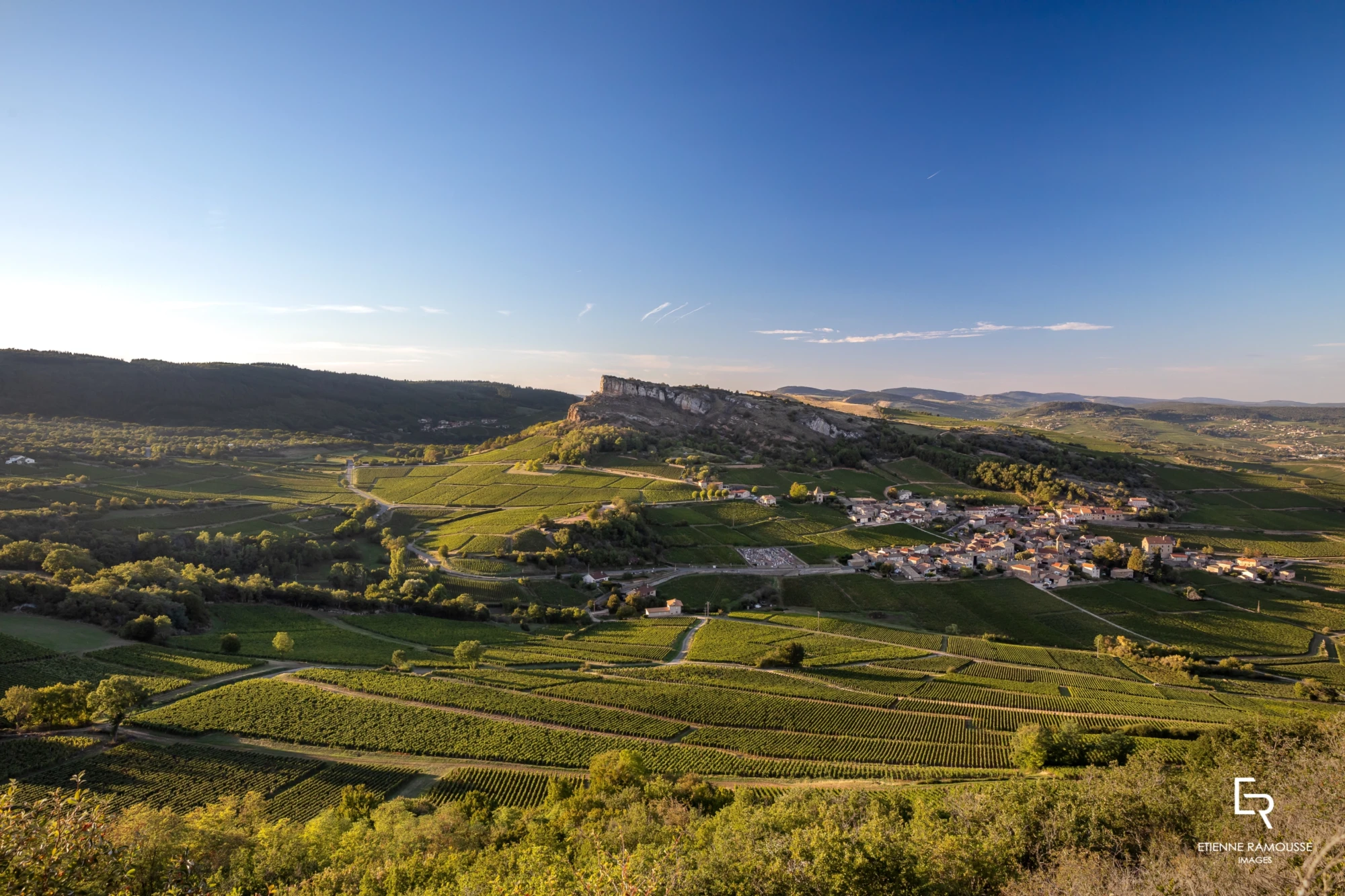
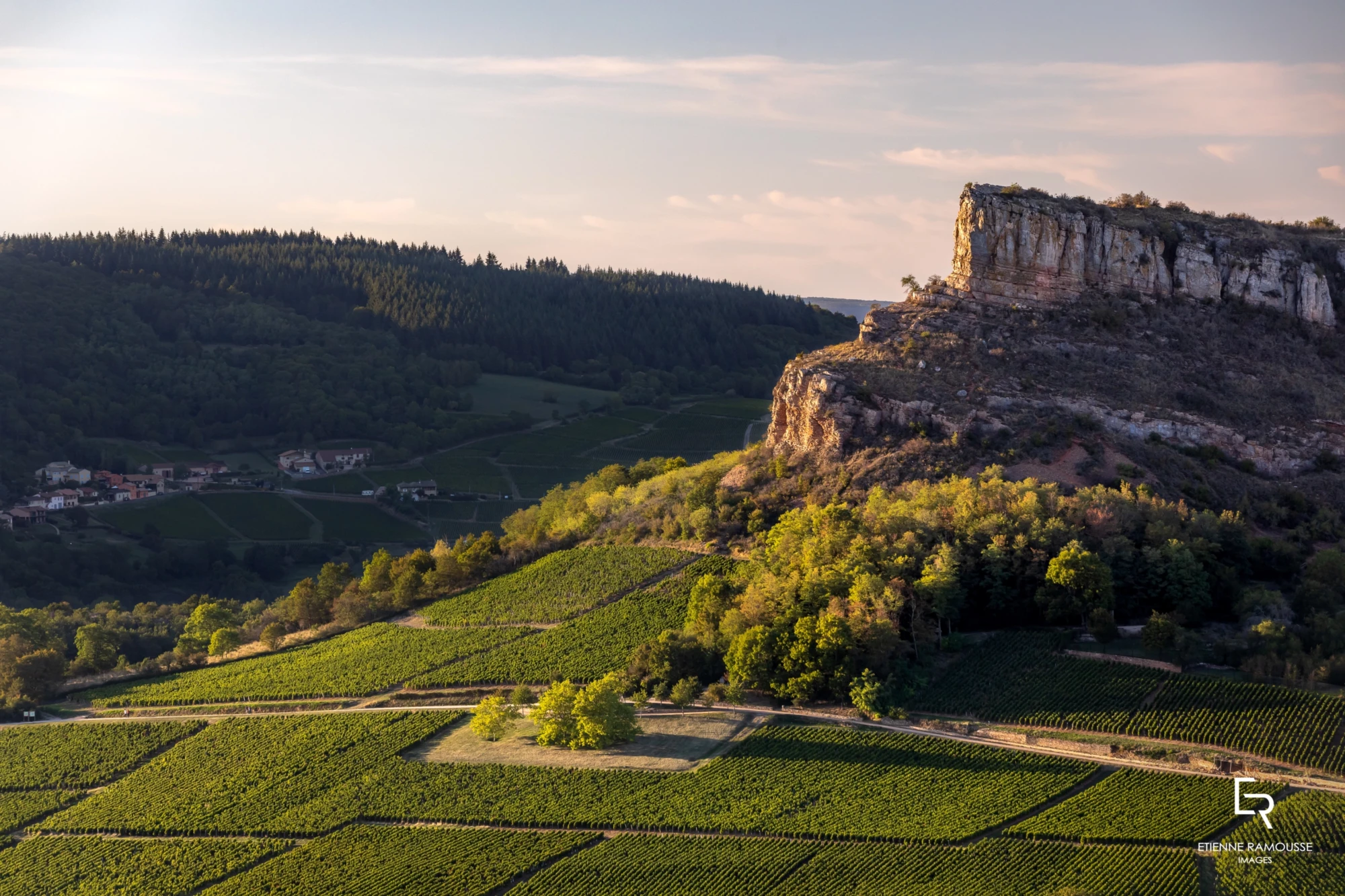
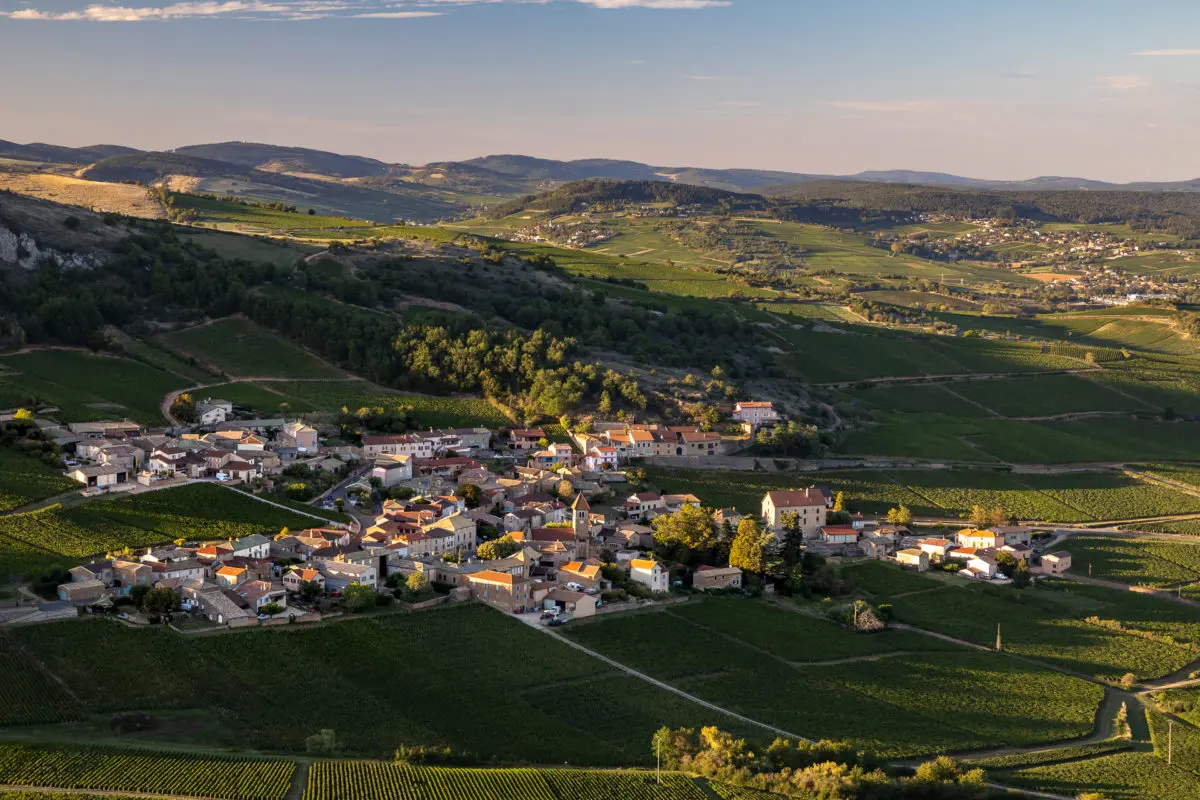
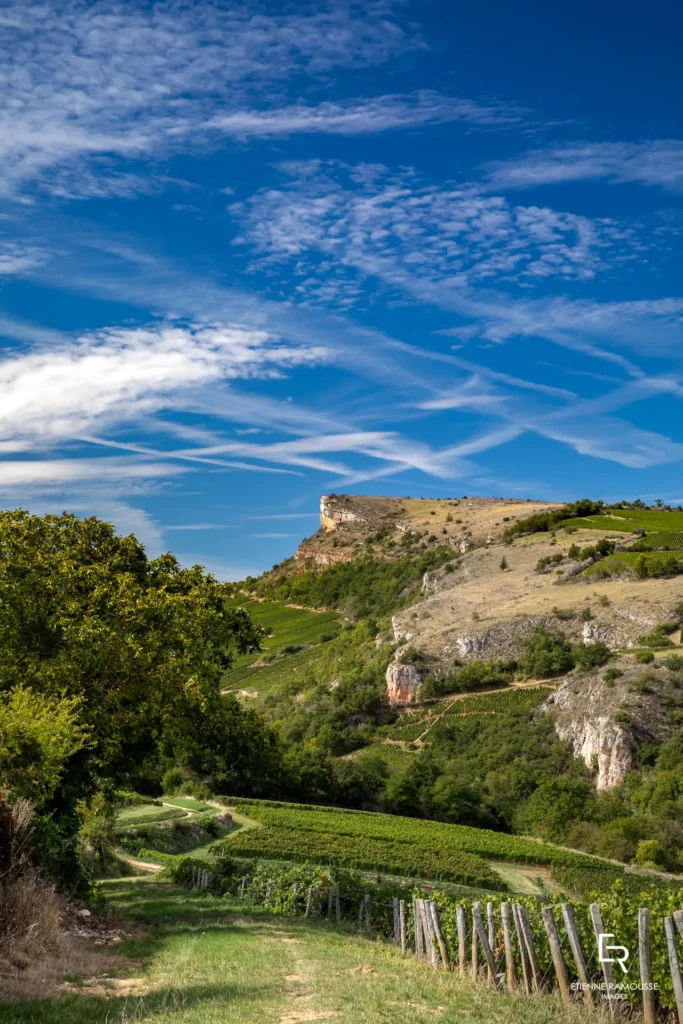
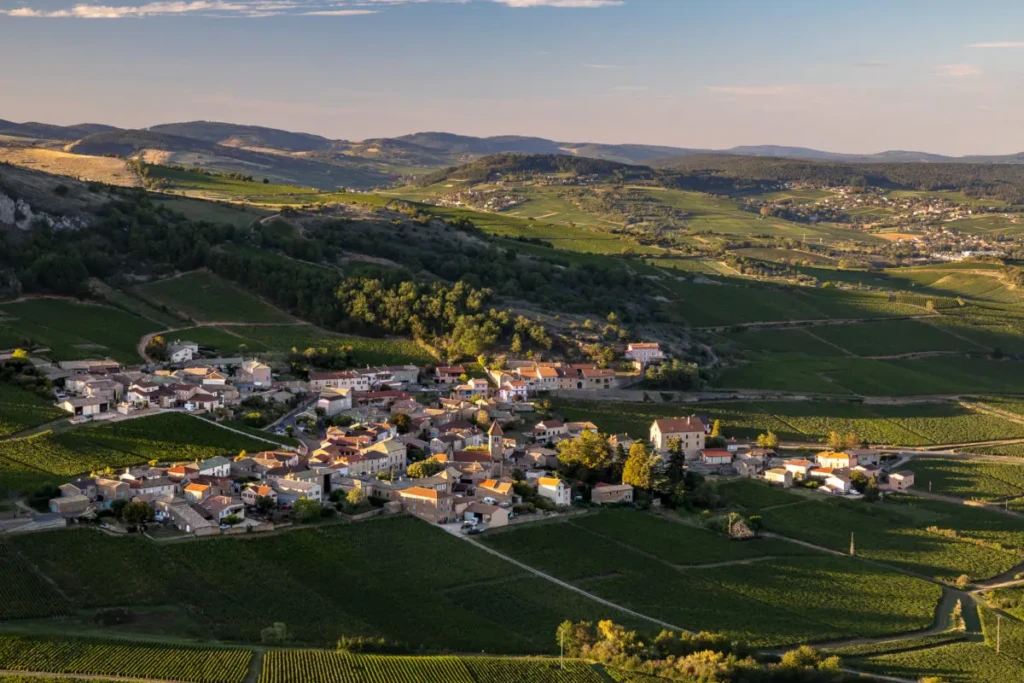
The Mâconnais vineyards hug the contours of southern Bourgogne, combining rolling hills and limestone cliffs to create a variety of orientations and micro-terroirs. Poor and stony, this terrain is ideal for growing vines. The soils are characterized by their Callovian-type clay-limestone nature (the last stage of the Middle Jurassic period, dating back around 150 million years) and are rich in fossils.
The Chardonnay grape variety thrives here. Its reputation has spread around the world. The Mâconnais region can pride itself on probably having given birth to it: its very name could be linked to a village in the vineyard, called Chardonnay. This grape variety, which is particularly suited to limestone soils, gives the region’s wine both its delicious taste and its aromatic finesse.
Grape harvest in Burgundy in the heart of the Mâconnais region at Les Deux Roches
Video
A legacy of history
Our terroirs,
These terroirs are also the legacy of a long history. The Mâconnais vineyards claim Gallo-Roman origins dating back to the 3rd century AD. The quality of the terroirs was recognized by monks (and wine lovers) long before the Appellation d’Origine Contrôlée (AOC) system ensured its international renown.
As everywhere else in Bourgogne, the development of the vineyards was driven by monastic orders. Here, the monks of Cluny Abbey began working in the 11th century. However, national recognition came in the 17th century, when Louis XIV adopted Mâconnais wines at court.
The organization of the vineyard as we know it today is much more recent, dating back to the development of the AOP system (1936 Pouilly-Fuissé, 1971 Saint-Véran, 1937 Mâcon-Villages, 1999 Viré-Clessé).